"A beautiful and informative tour with beautiful views "from the water." I would gladly do it again."
Stockholm · Gamla Stan · Fjäderholmen
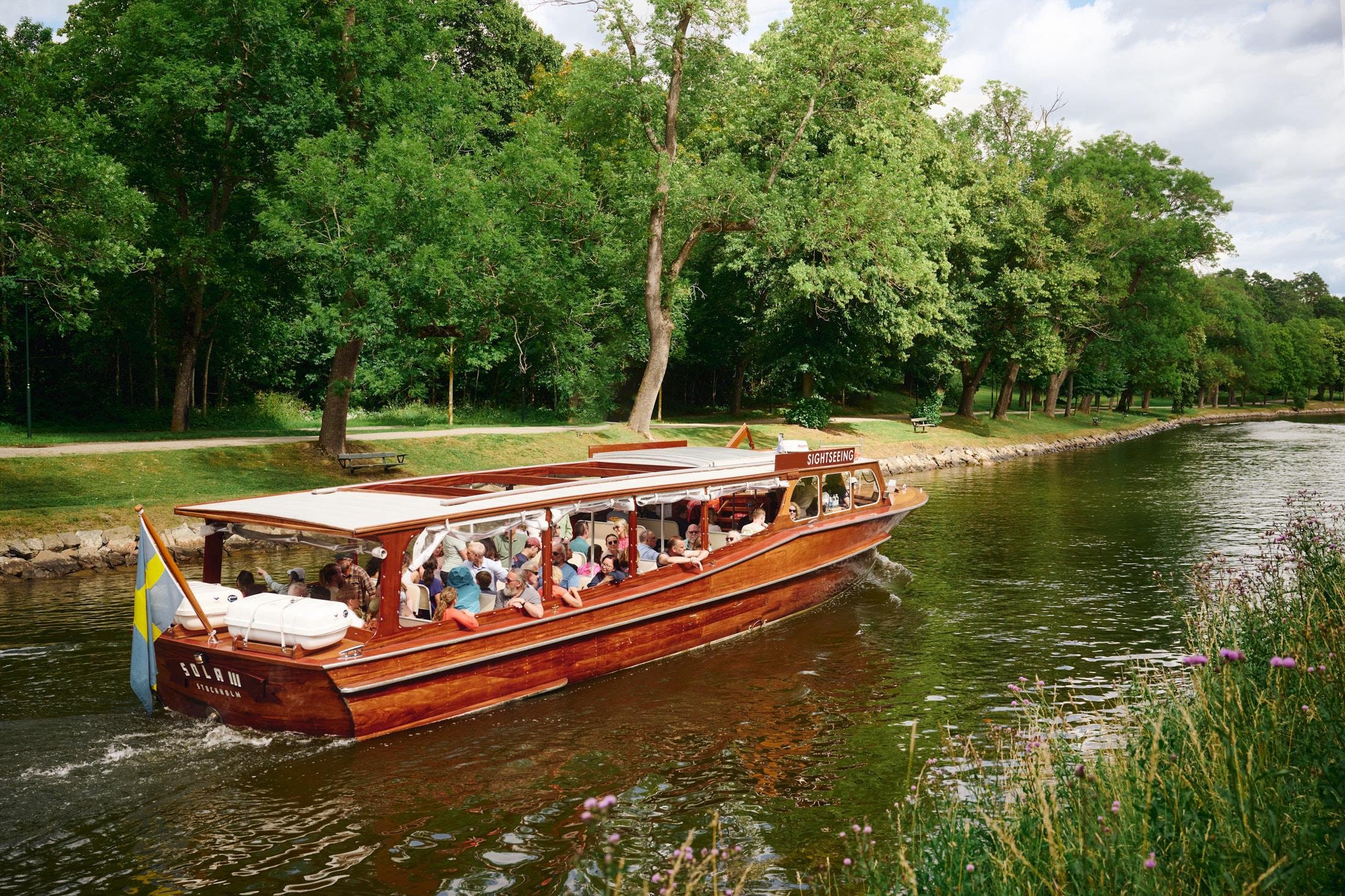
Stockholm Archipelago Tour by Classic Wooden Boat
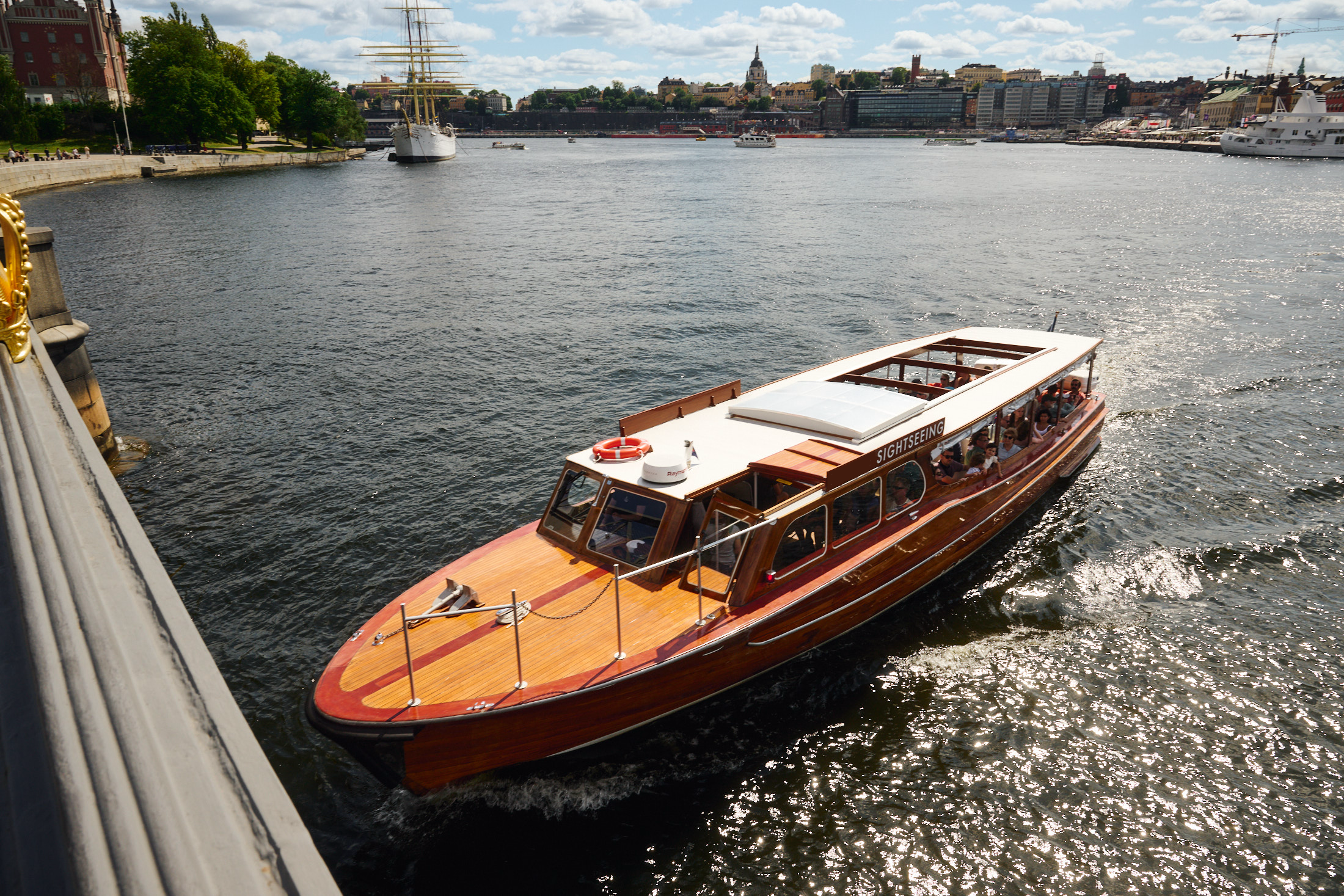
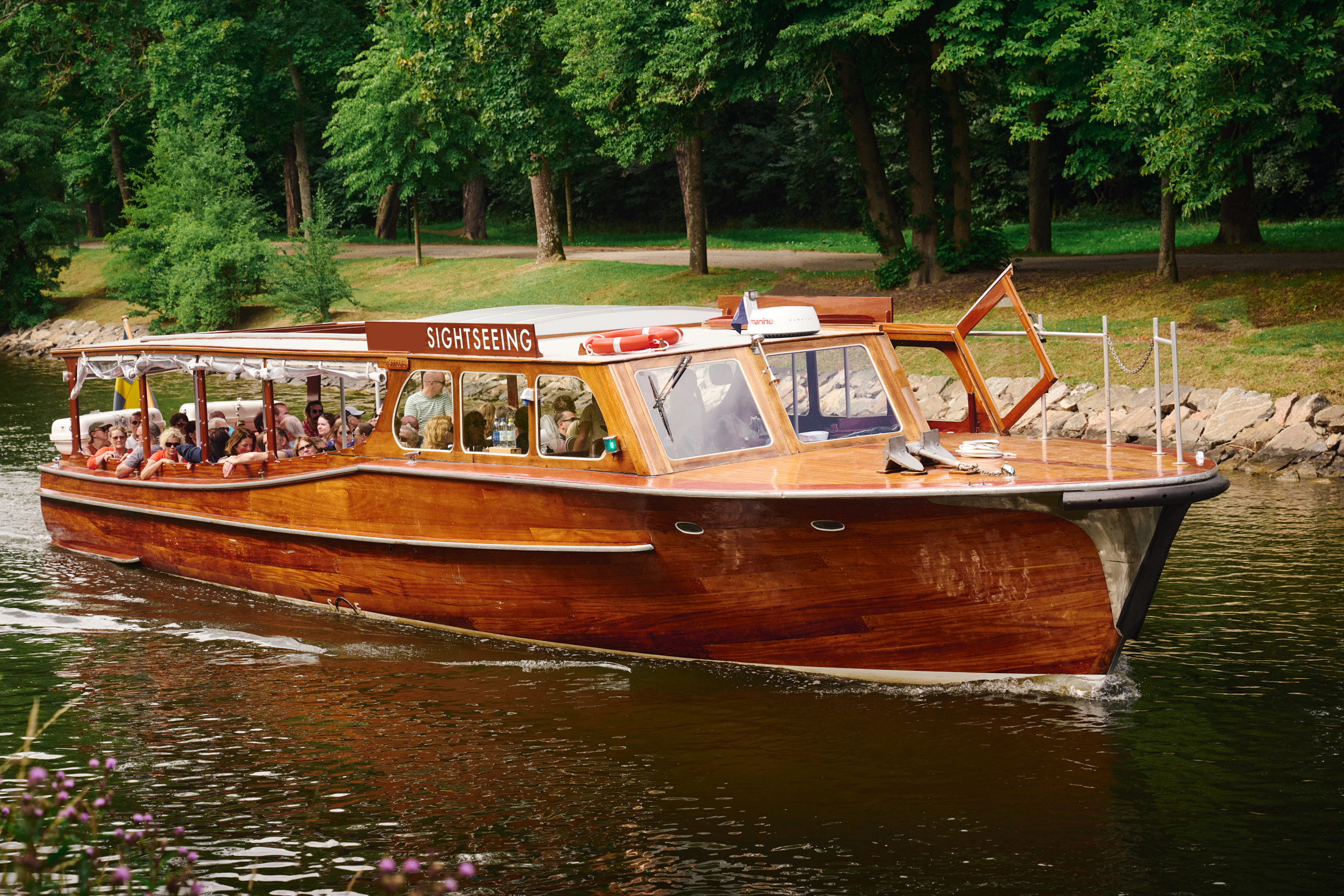
A live-guided cruise through the Stockholm Archipelago aboard a classic wooden boat — glide past Gamla Stan and the Royal Palace out to the island of Fjäderholmen, with a bar on board.
From
$40
per person
Free cancellation
- 4.7 / 5 743+ Reviews
- 30,000+ Islands
- Live Guided In English
- Free Cancellation
The Experience
What Makes This Archipelago Tour Special
Everything that makes this one of the best-rated boat tours in the Stockholm Archipelago.
Highlights
- Feel the breeze as you glide through the Stockholm Archipelago
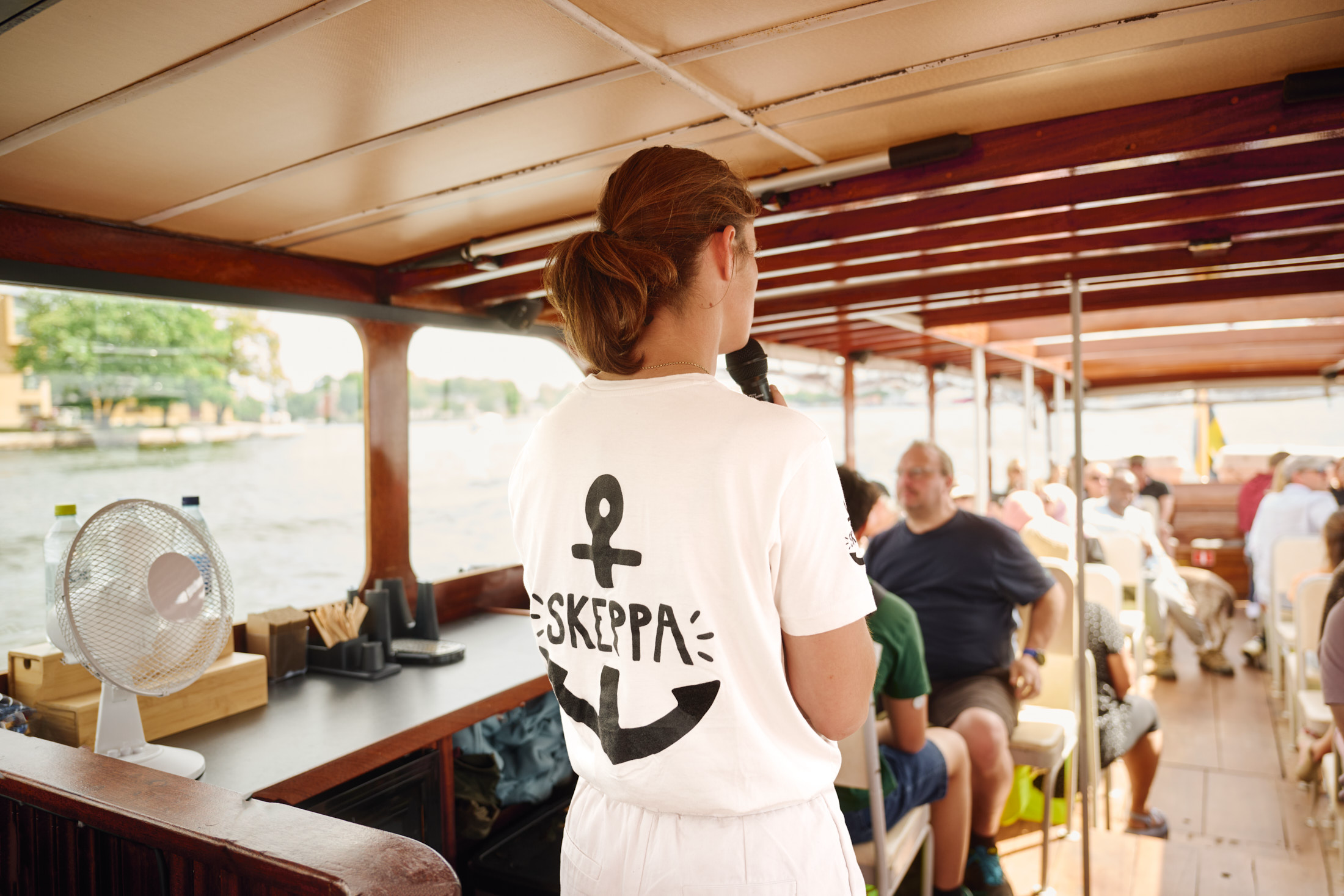
- Discover the city's history and culture with a professional guide
- Enjoy a comfortable ride on a classic wooden boat with a bar on board
- Admire the Royal Palace, the Opera and the National Museum
- See the island of Fjäderholmen and the cliffs of Södermalm
What's Included
- 1 hour and 45 min Stockholm Archipelago tour
- Live guided tour in English
- Classic wooden boat ride
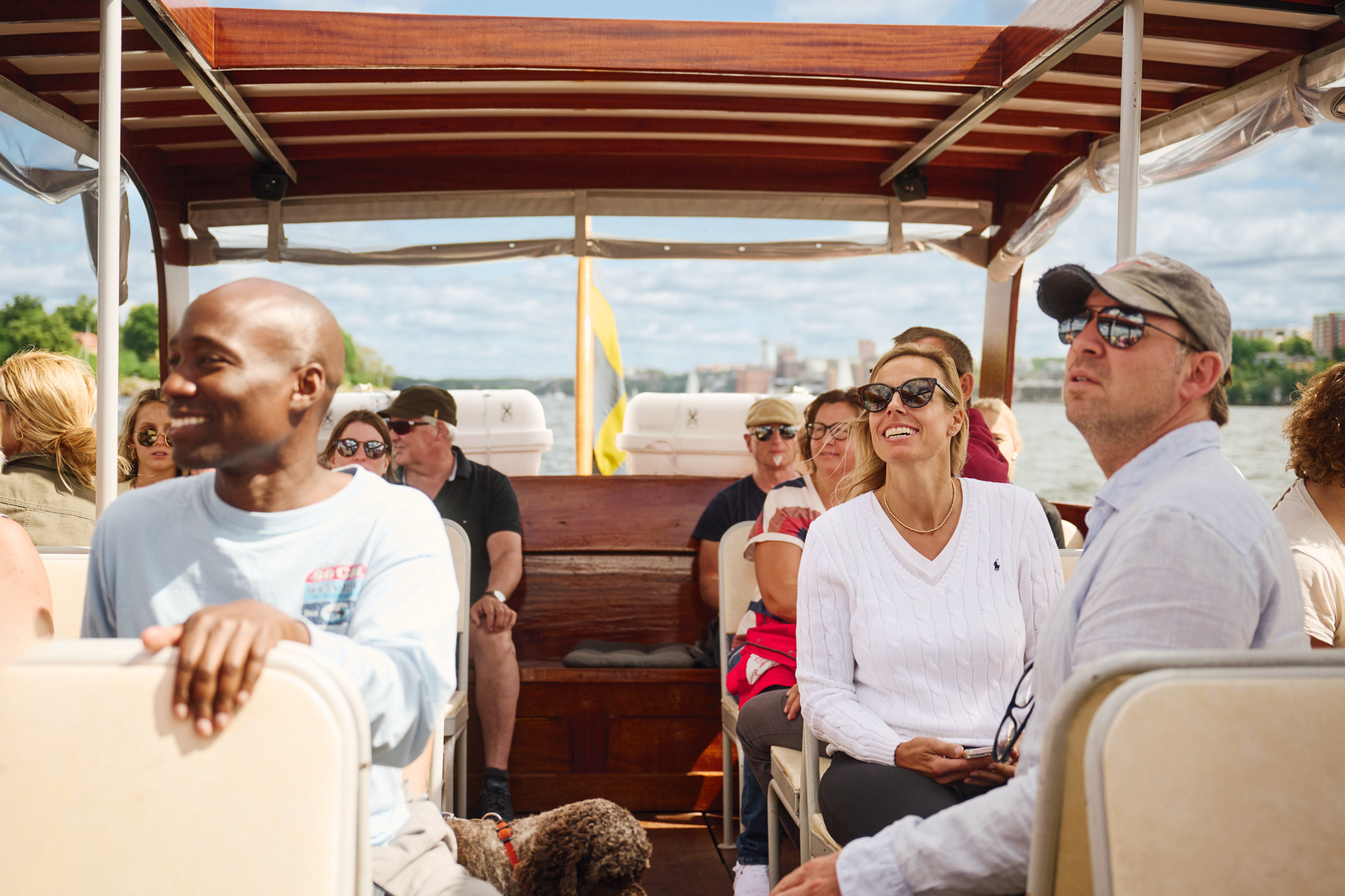
- Comfortable seating
- Bar with soft drinks for purchase
- Toilet on board
How the Stockholm Archipelago Tour Works
Four steps from the city quay to the islands of the inner archipelago.
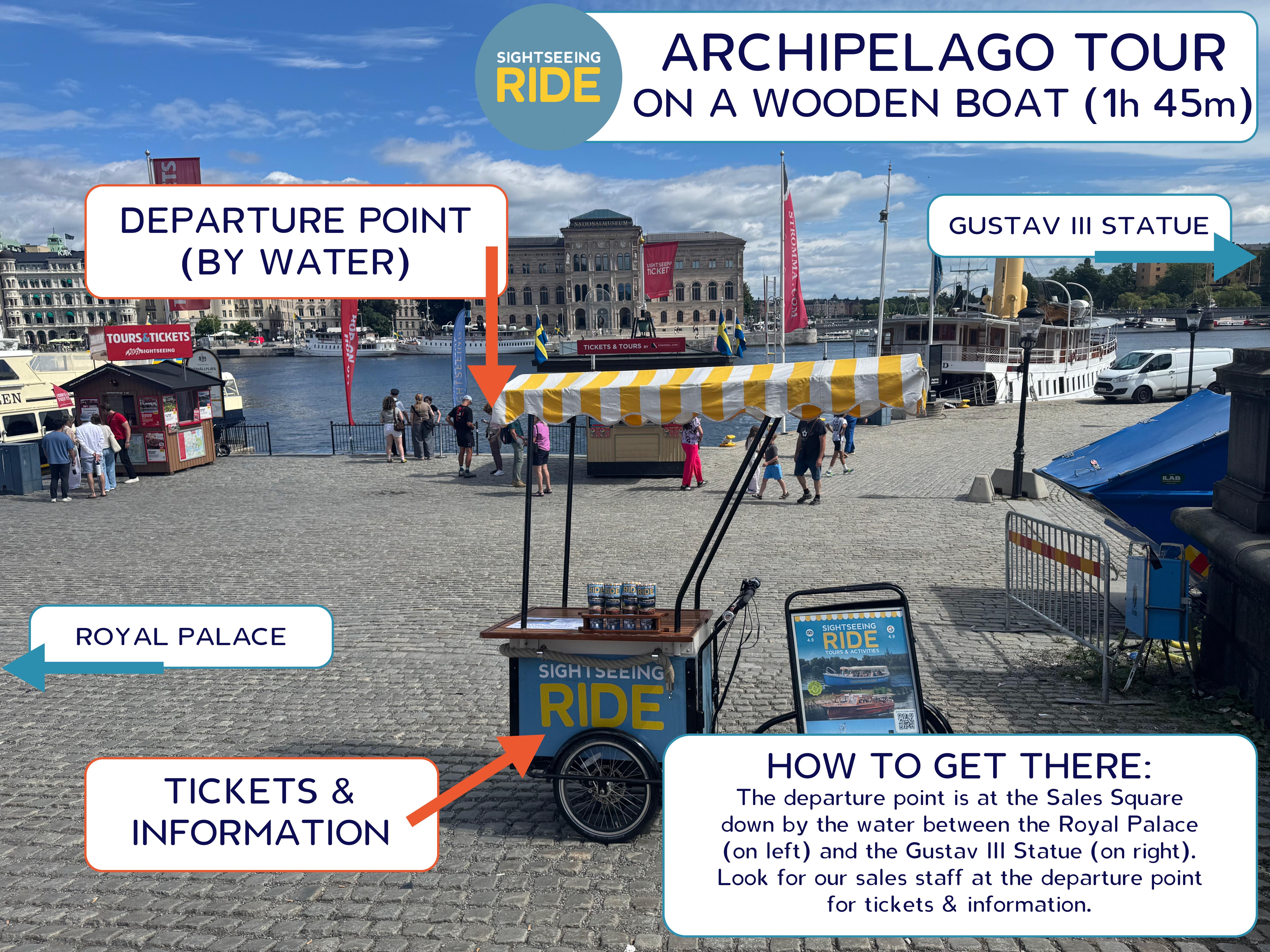
Board at a Central Quay
Make your way to the departure quay in central Stockholm — Strömkajen, Nybrokajen or Strandvägen depending on your tour — and check in with the crew. Most quays are a short walk from Kungsträdgården or Östermalmstorg.
Cast Off Past the Old Town
Set off from the harbour and glide past Gamla Stan, the Royal Palace, the Opera and Strandvägen as your guide narrates the landmarks along the waterfront.
Cruise the Inner Archipelago
Head out among the islands — wooden summer houses, granite skerries and pine-covered shores — toward Fjäderholmen and the calmer, nature-rich channels beyond the city.
Step Ashore or Sail Back
Depending on the tour, disembark on an island such as Vaxholm or Fjäderholmarna to explore, or settle in for the scenic cruise back to the city centre.
Photo Gallery
The Stockholm Archipelago — Through the Lens
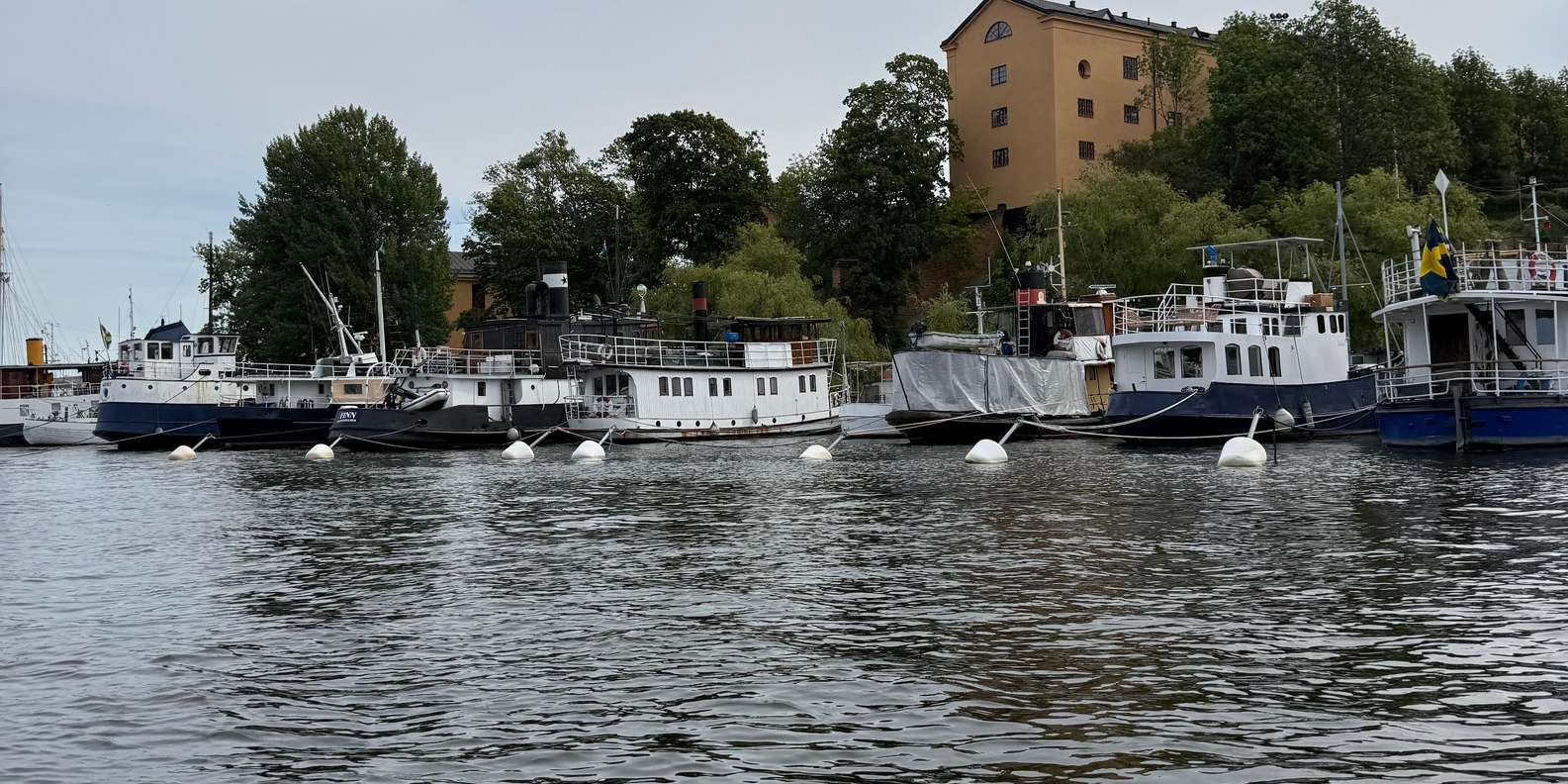
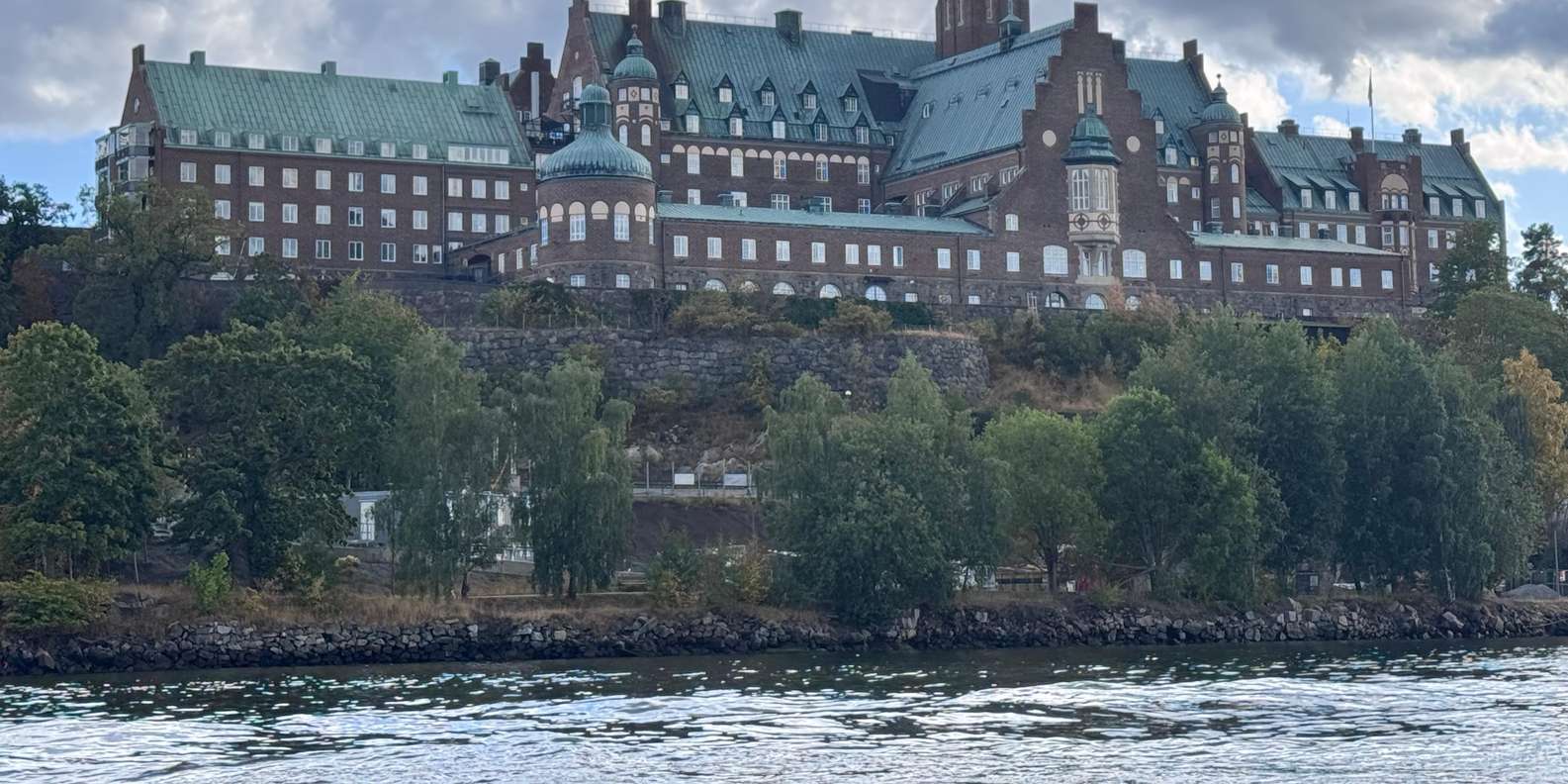
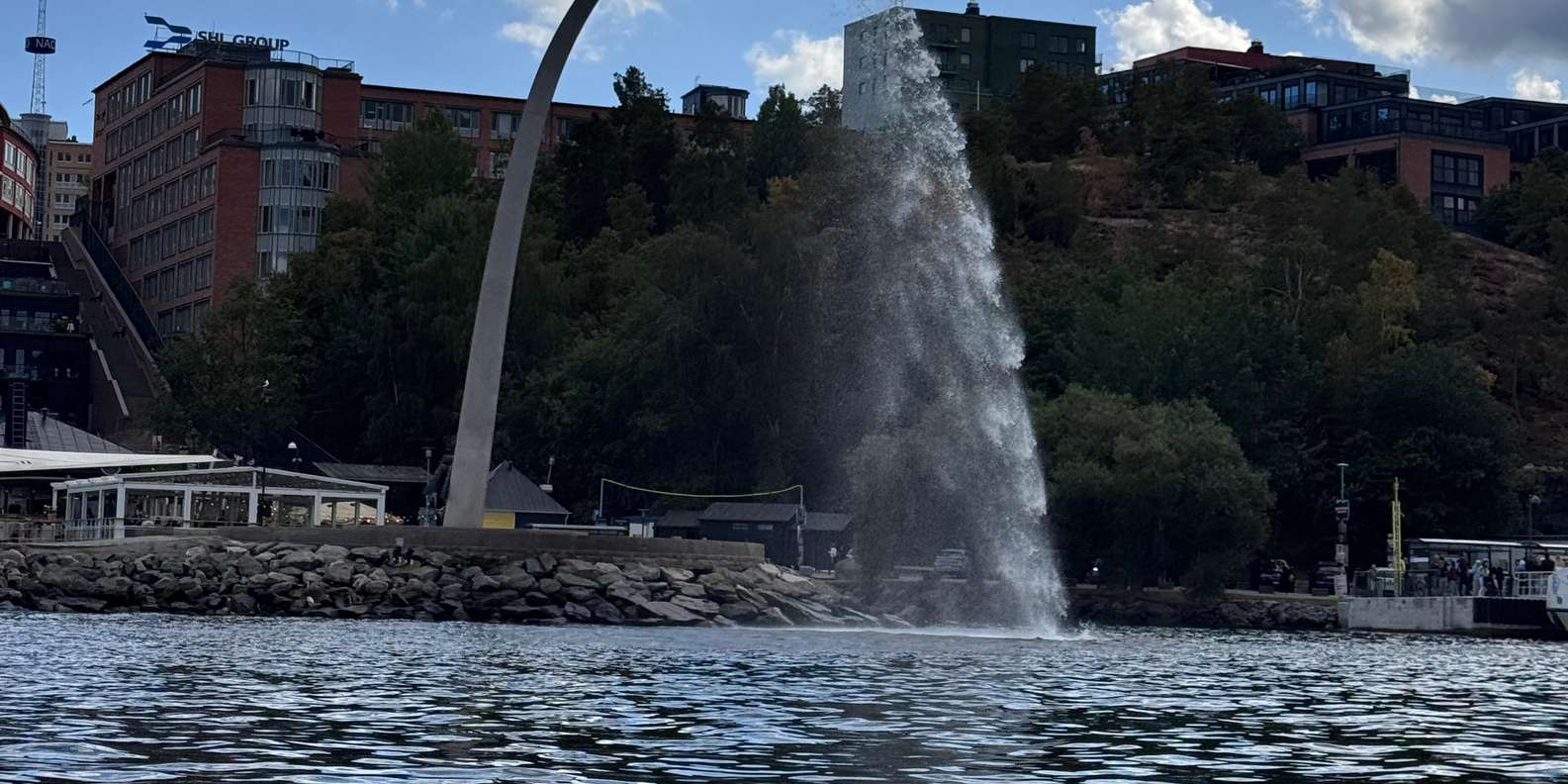
Wooden boats, granite skerries and the open Baltic water — the archipelago captured by our guests.

Book Your Experience
Check Availability & Prices
Select your preferred date and time. Instant confirmation — free cancellation up to 24 hours before departure.
Guided Archipelago Tour vs Doing It Yourself
Three ways to see the Stockholm Archipelago by boat — here's how a guided tour compares to a big sightseeing boat and the public ferry.
| Feature | BEST VALUE Guided Wooden-Boat Archipelago Tour | Large Hop-On Sightseeing Boat | Self-Guided Public Ferry |
|---|---|---|---|
| Experience Type | Small live-guided cruise through the inner archipelago on a classic wooden boat | High-capacity sightseeing boat looping the central waterways and canals | Scheduled Waxholmsbolaget / Cinderella commuter boat — no commentary |
| Duration | About 1 hour 45 minutes | Roughly 1–2 hours depending on route | You plan it — single legs from ~20 min (Fjäderholmarna) up |
| Live Guide | ✓ Professional guide narrating sights in English on board | Recorded or live commentary, larger group | None — you navigate timetables and stops yourself |
| Boat & Atmosphere | Classic wooden boat, partially open, bar on board, not overcrowded | Modern open or glass-topped vessel, busier decks | Functional passenger ferry built for commuting |
| What You See | Gamla Stan, the Royal Palace, Strandvägen, Djurgården Canal, Fjäderholmen | Central-city highlights from the water | Whatever route you choose — Vaxholm, Grinda, Sandhamn and beyond |
| Free Cancellation | ✓ Up to 24 hours before | ✓ On most bookings | Tickets generally non-refundable once travel begins |
| Starting Price | From $40/per person | From about $28 per person | Pay per leg — single tickets are a few dollars each |
| Book Now | View Options |
More Ways to Cruise
Explore More Stockholm Archipelago Tours
From budget sightseeing boats to full-day sailing trips — browse popular archipelago tours, all with free cancellation and instant confirmation.
 BUDGET PICK
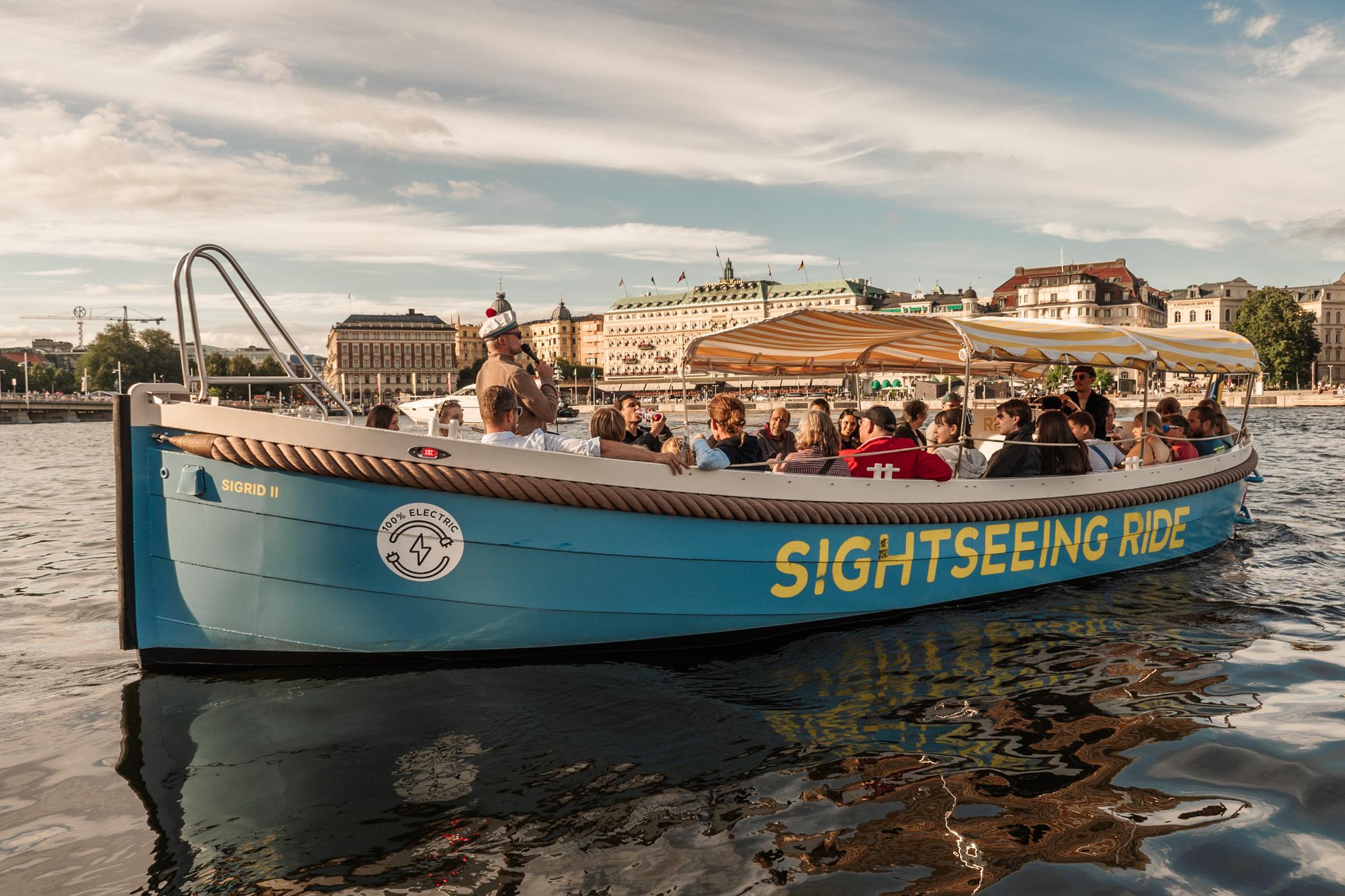
Stockholm: Live Guided City Sightseeing Open Boat Tour
A relaxed live-guided trip on a silent electric boat through Stockholm's canals and waterways, passing the Vasa Museum, the Royal Palace and the royal island of Djurgården.
 LUNCH CRUISE
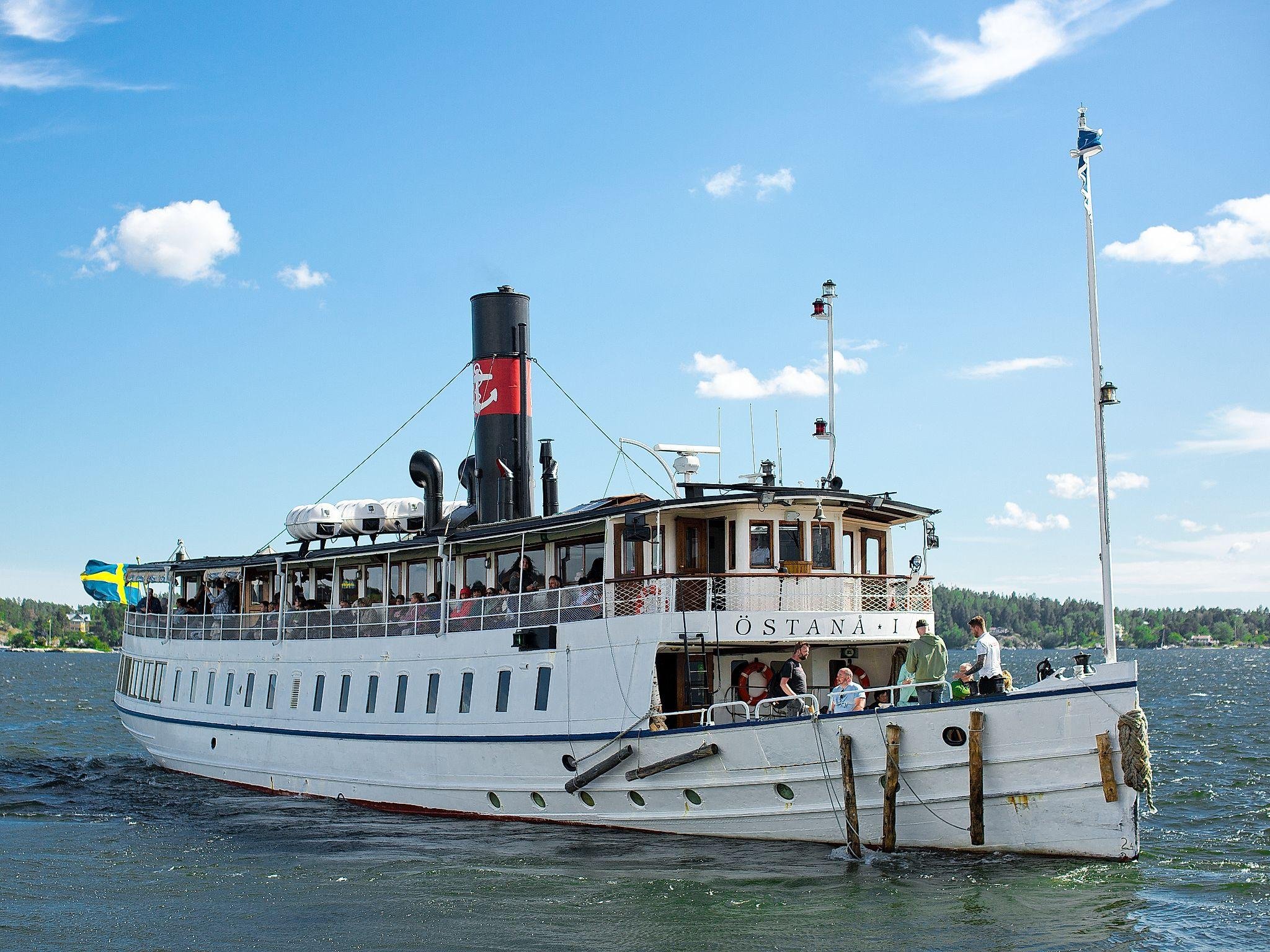
Stockholm: Archipelago Cruise with Lunch (guided)
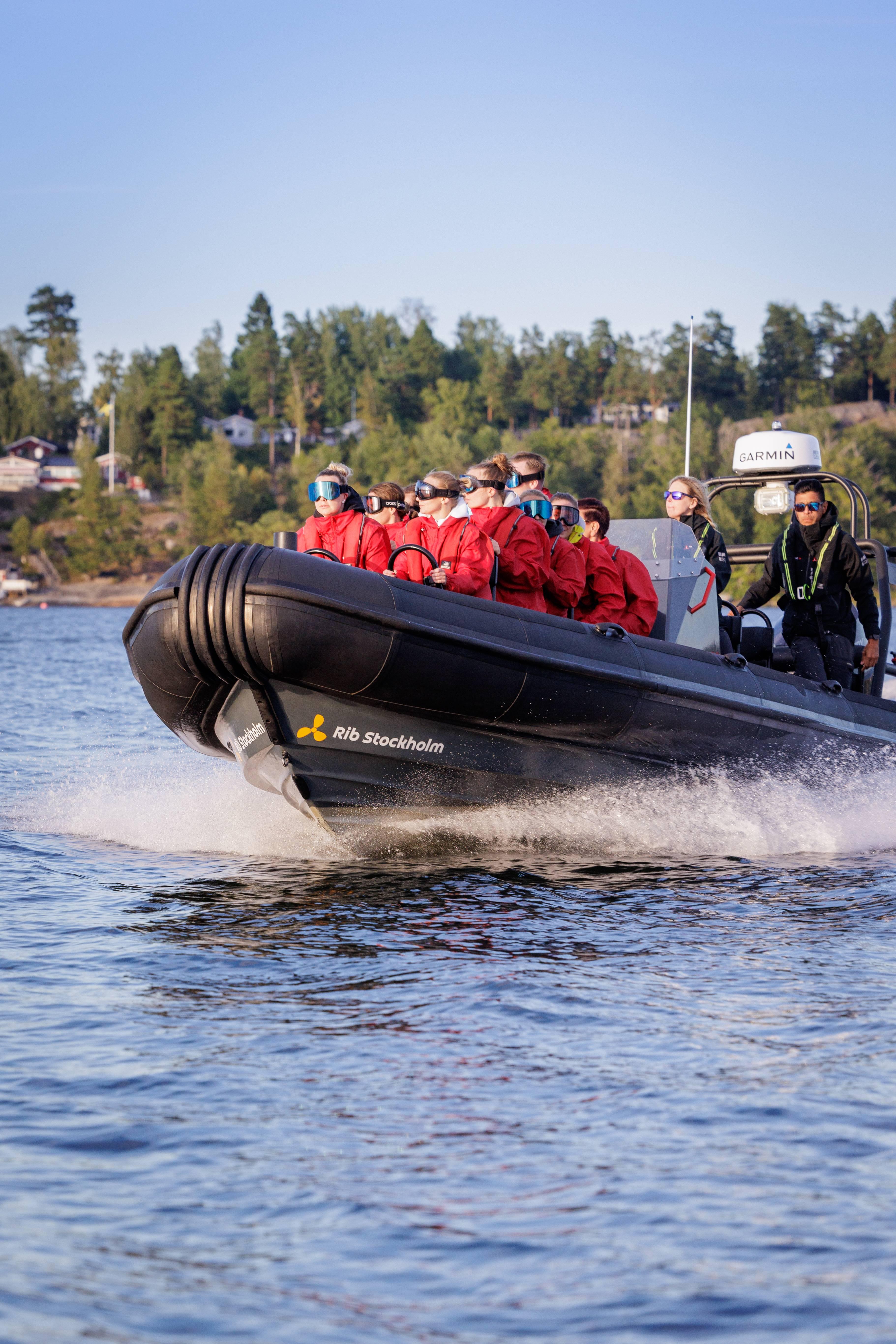 ADVENTURE
Stockholm: 2-Hour RIB Speed Boat Tour of the Archipelago
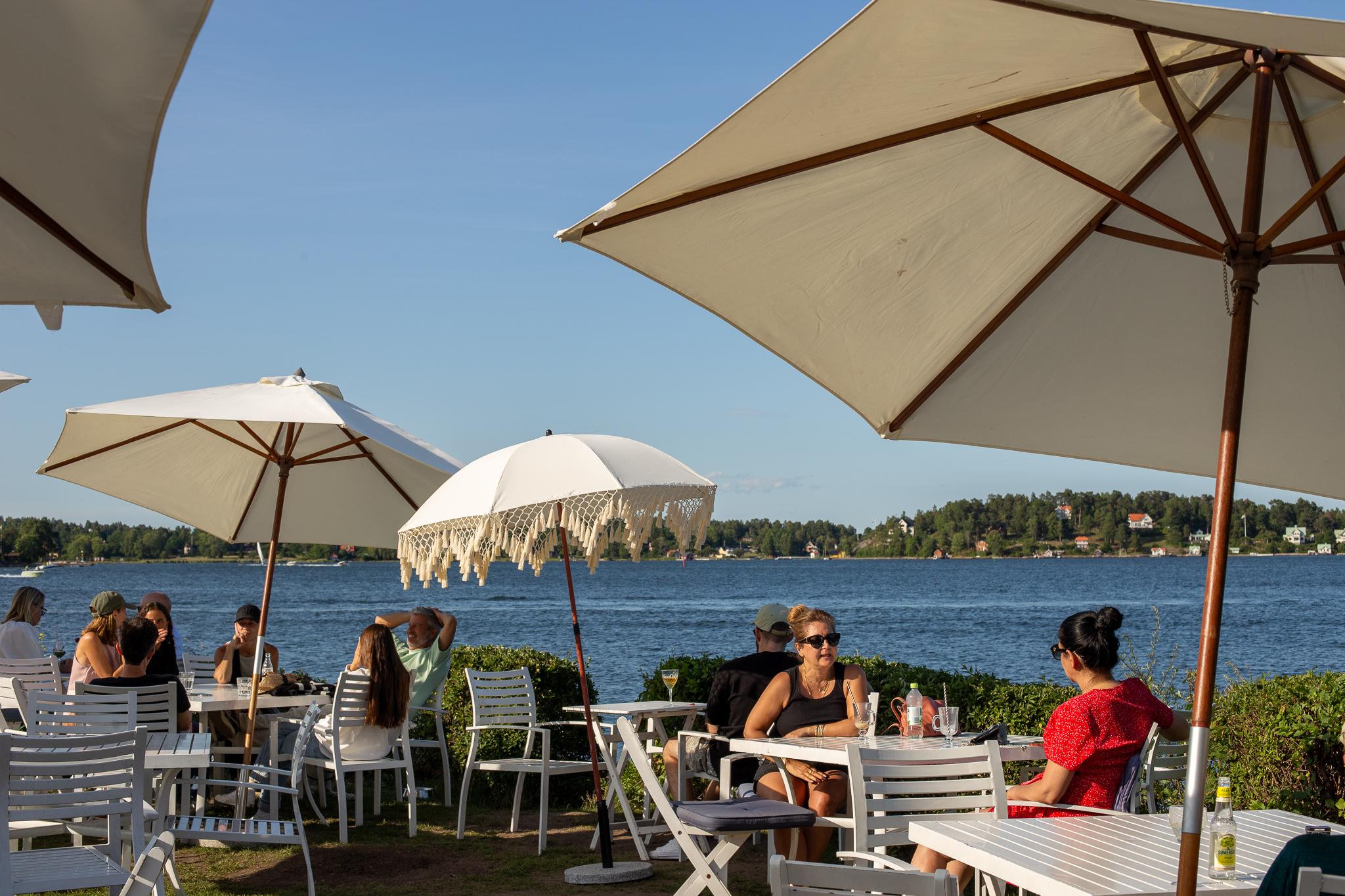 VAXHOLM DAY TRIP
Vaxholm & Stockholm Archipelago: Guided Small-Group Day Trip
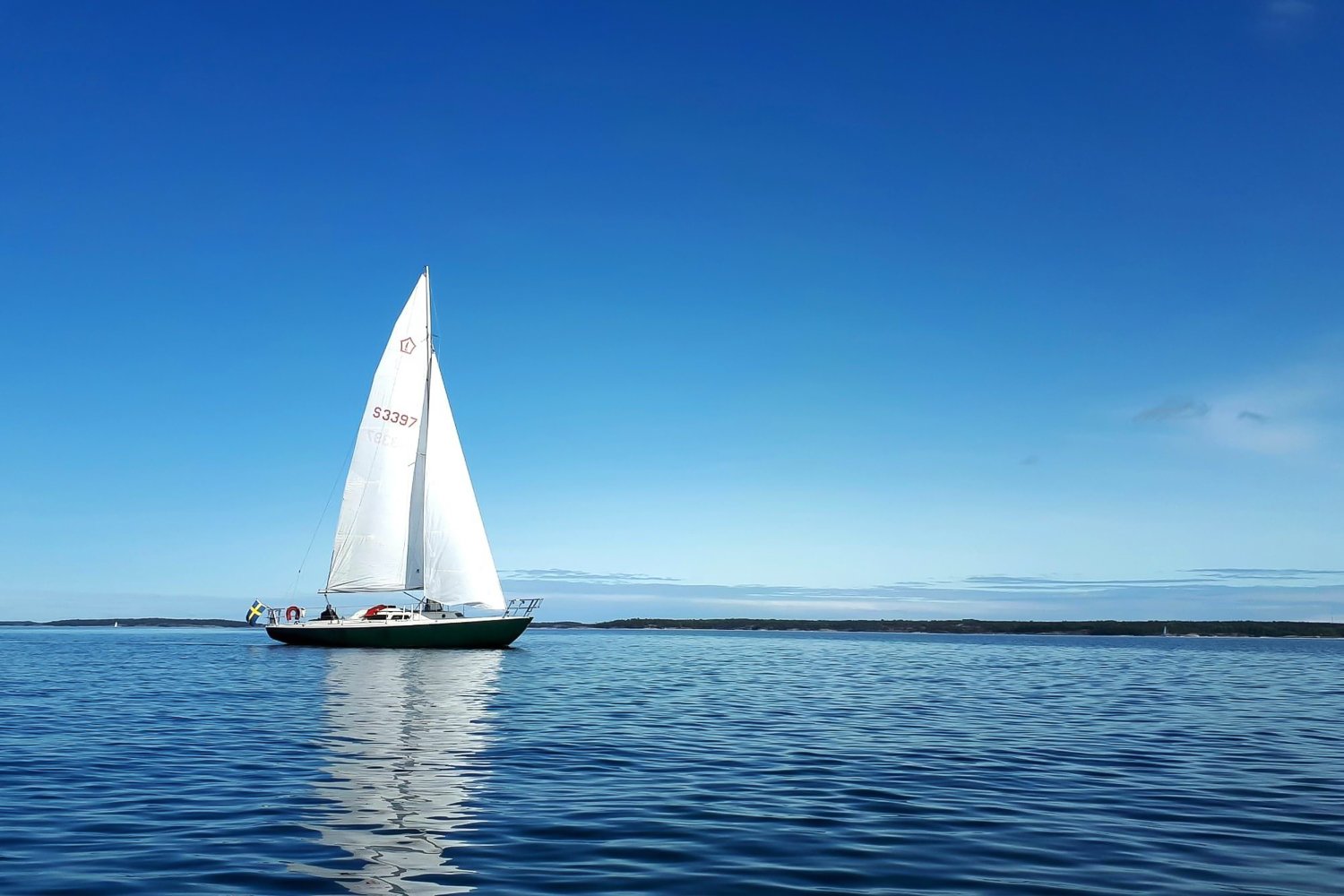 PREMIUM SAILING
Full-Day Stockholm Archipelago Sailing Tour
Plan Your Trip
How to Choose a Stockholm Archipelago Tour
A practical, no-spin guide to seeing Sweden's 30,000-island archipelago by boat — which tour, which island, and which season.
Stockholm is a city built on water, and the moment you push off from the quay the reason becomes obvious. The capital sits at the mouth of one of the largest archipelagos in the Baltic — a scatter of roughly 30,000 islands, islets and skerries (some detailed counts put the figure closer to 24,000) that fans out about 80 kilometres east into the sea. A Stockholm archipelago tour is the single best way to grasp that geography: within minutes of leaving the harbour the dense old town gives way to open channels, wooden summer houses and bare granite rocks where Stockholmers have escaped the city every summer for generations.
This page exists to help you book the right boat rather than the first one you see. We are an independent affiliate — not a boat operator — so we have no reason to push one company over another. Below is how the tours actually differ, and how to match one to your time, budget and the islands you most want to see.
Inner archipelago versus the open water
The first thing to understand is that “the archipelago” is really two experiences. The inner archipelago is the band of islands closest to the city, reached in under an hour, and it’s where most short sightseeing cruises operate. Our featured trip — a live-guided cruise on a classic wooden boat, rated 4.7/5 by around 500 guests and starting near $39 — runs about an hour and three-quarters through exactly this zone. You glide past Gamla Stan’s old-town waterfront, the Royal Palace, the Opera and the National Museum, along the grand boulevard of Strandvägen and into the quiet, tree-lined Djurgården Canal before reaching the island of Fjäderholmen. There’s a bar on board and the boat is kept deliberately uncrowded, which is the difference between a relaxed cruise and a packed commuter deck.
The outer archipelago is a bigger commitment. Full-day sailing trips push out among thousands of largely uninhabited islands of dense forest and smooth rock — the classic Swedish summer idyll — and take most of the day. If you have the time and want wilderness rather than landmarks, that’s the trip to book.
Which island: Fjäderholmarna, Vaxholm, Grinda or Sandhamn
If you only have a few hours, Fjäderholmarna is the obvious choice. It’s the closest island to the city — roughly 20 to 30 minutes by boat from the centre — yet it feels a world away, with waterfront restaurants, craft workshops and a small-island calm. It’s the easiest “taste of the archipelago” you can fit into an afternoon.
For a fuller day, Vaxholm is the traditional anchor. Often called the capital of the archipelago, it sits about an hour out and combines a 16th-century fortress guarding the sea approach with streets of pastel wooden houses and summer cafés. A guided Vaxholm day trip typically pairs the boat journey with time ashore.
Further out, Grinda offers a balance of accessibility and unspoiled nature that suits day-trippers who want to walk and swim, while Sandhamn is the lively sailing hub — more nightlife, more crowds, and a longer trip from the city. Both reward a full day rather than a quick hop.
When to go
The archipelago is firmly a warm-season destination. The main schedule runs roughly from April or May through September, and the fullest timetable — including the historic steamers — falls in the high-summer months of June to August (as of June 2026). Spring and early autumn still have sailings but fewer departures and quieter islands, which some travellers prefer. Winter service is limited, and many island restaurants close, so a summer or early-autumn visit gives you the most options.
Where the boats leave from
Departures cluster around a handful of central quays. Strömma’s Cinderella boats leave from Nybrokajen; the public Waxholmsbolaget ferries depart from Strömkajen, on the water in front of the National Museum near the Grand Hotel; and several operators board along Strandvägen. All are within a short walk of Kungsträdgården or Östermalmstorg. Whichever tour you book, your confirmation lists the exact berth and check-in time — worth double-checking, as the quays are close together but not identical.
Sightseeing cruise, lunch or dinner — or do it yourself
Beyond the standard sightseeing cruise, Stockholm operators run brunch, lunch and dinner cruises through the warmer months. Our bookable lineup includes a guided lunch cruise aboard the M/S Östanå I, a preserved 1906 steamer, where a freshly prepared main course comes with the scenery. Evening and dinner sailings vary by operator and season, so check current schedules when you book rather than assuming a fixed timetable.
For the budget-minded and the independent, the public Waxholmsbolaget and Cinderella boats let you island-hop on your own terms — cheaper, more flexible, but with no commentary and timetables to manage yourself. A guided tour costs more but trades that logistics work for context: the history of the palaces and villas you pass, which channel you’re sailing, and a captain who knows where the good light is. Neither is “better”; they suit different travellers, and our comparison table lays the trade-offs out plainly.
What you’ll actually see
Whatever you choose, the visual arc is similar: you leave amid the city’s spires and copper roofs, slip past the Royal Palace and the green royal island of Djurgården, then watch the buildings thin into water, wooden jetties, summer cottages and the low pink granite of the skerries. On a clear summer evening, with the long Nordic light on the water, it’s one of the simplest and most memorable things you can do in Stockholm — and booking ahead with free cancellation means you can hold a spot now and still adjust if the weather turns.
Planning Guides
Longer answers to the questions that decide an archipelago day:
- Which tour to take — wooden boat, RIB, sailing, kayak or lunch cruise, sorted by the kind of day you want
- Getting to the archipelago — guided boat, public ferry from Stromkajen, or Vaxholm by land
- Which islands are worth it — Fjaderholmarna, Vaxholm, Grinda, Sandhamn and Uto, and what each is for
- Swimming, season and ice — water temperatures by month, and what winter is actually like out there
- Is it worth it? — the honest case, including three reasons to skip it
- Stockholm vs Gothenburg archipelago — two coasts, 470 km apart, and which suits your trip
Heading to the west coast instead? Gothenburg archipelago tours covers the guided cruise and the public-ferry route to the car-free islands.
Guest Reviews
What Our Guests Say
5/5
from 743 verified guests
"Tessa was such an excellent and funny guide! What an asset to the company. The guide gave a lovely overview to Stockholm and i’m so happy i took my family on the trip!"
"Callum was an excellent guide! Great information with some humor thrown in."
"Very authentic and interesting tour, which we took at the first day in Stockholm. Was worth as we learned a lot about the City and saw what to do next. Tour guide was very competent and found a way to not just do an interesting but also funny trip! Very great!"
"I really enjoyed seeing parts of the city, as well as some of the islands outside of the city, from the water. The boat was comfortable and our guide was great providing history and interesting anecdotes as we went along. A great way to spend part of your day!"
"Very nice boat tour. Skipper & live guide did a great job; a nice couple."
"the tour was well organized and featured plenty of excellent places around the Stockholm area and the archipelago. The seats are comfortable and the provision of shade from the sun above is very helpful. the highlight of the tour for certain is Caroltta's witty and sharp commentary. she had engaging banter throughout the tour and is without a doubt the best host that I've ever had on any tour. Highly recommend for anyone looking to learn about Stockholm and have an entertaining time along the way!"
"Good value! Make sure to take pictures at the start because the route back is different than the way out! The guide was great! I normally get seasick but with the length and quality of the ride it wasn’t a problem!"
Read all 743 verified reviews
See All ReviewsSee the Stockholm Archipelago by Boat
Join 500+ guests who rated this classic wooden-boat tour 4.7/5. A live-guided cruise past Gamla Stan and the Royal Palace toward Fjäderholmen — bar on board, free cancellation. Starting from $40 per person.
Check Availability & BookCan't Make These Dates?
Browse More Available Options
Find a tour that fits your schedule — all with instant confirmation and free cancellation.
Stockholm Archipelago Tour — Frequently Asked Questions
Everything you need to know before booking a boat tour into the Stockholm Archipelago.
Most guided sightseeing tours cover the inner archipelago — the band of islands closest to the city. Our featured classic wooden-boat tour is a roughly 1-hour-45-minute live-guided cruise past Gamla Stan, the Royal Palace, Strandvägen and the Djurgården Canal, out toward the island of Fjäderholmen. Full-day tours reach further out to islands like Grinda, Vaxholm and Sandhamn.
Sightseeing and archipelago boats leave from the central quays in Stockholm. Strömma's Cinderella boats depart from Nybrokajen, the public Waxholmsbolaget ferries depart from Strömkajen in front of the National Museum, and several operators board along Strandvägen. Your booking confirmation lists the exact berth and meeting point for the tour you choose.
The main season runs roughly from April or May through September, with the fullest schedule and the classic steamers running in the high summer months of June to August (as of June 2026). Boats still run in spring and early autumn but with fewer departures, and the open-water islands are quieter. Winter sailings are limited.
It depends on the tour. Short inner-archipelago sightseeing cruises run about 1 to 2 hours, lunch cruises around 2.5 hours, and full-day sailing trips to the outer islands take most of the day. Pick based on how far into the archipelago you want to go and how much time you have.
Fjäderholmarna is the closest island — only about 20 to 30 minutes by boat from the city centre — making it ideal if you have a few hours and want a quick taste of the archipelago with restaurants and craft workshops. Vaxholm, often called the 'capital of the archipelago', is about an hour out and rewards a half- or full-day trip with its 16th-century fortress and wooden summer-town streets.
Yes — Stockholm operators run seasonal brunch, lunch and dinner cruises into the archipelago, typically in the warmer months. Our bookable lineup includes a guided lunch cruise on the historic 1906 steamer M/S Östanå I. Evening and dinner sailings vary by operator and season, so check current schedules when you book.
The archipelago is usually described as having around 30,000 islands, islets and skerries (some detailed counts put the figure closer to 24,000). They stretch from the city's edge roughly 80 kilometres east into the Baltic Sea, ranging from inhabited summer-cottage islands to bare rocks.
If you want context — the history of the islands, the palaces and villas you pass, and which channels you're sailing through — a live-guided tour adds a lot over riding a commuter ferry. If you'd rather set your own pace and just island-hop, the public Waxholmsbolaget and Cinderella boats are a flexible, cheaper alternative. We lay out both options honestly so you can pick what fits.
Inner-archipelago cruises pass Stockholm landmarks from the water — Gamla Stan's old town, the Royal Palace, the Opera, the National Museum and the green royal island of Djurgården — before opening onto island scenery, wooden summer houses, granite skerries and pine-covered shores.
We are an independent affiliate, not a boat operator. The tours are run by established Stockholm companies such as Strömma, Sightseeing Ride and other licensed operators. We help you compare and book through GetYourGuide; the operator delivers the experience and sets the schedule.
Generally yes. Most sightseeing boats operate in light rain — many are partially covered or can be closed in poor weather — and operators usually only cancel for genuinely unsafe conditions such as heavy fog or storms, in which case you're typically offered a refund or alternative. Always check the specific tour's weather policy.
Most tours we list offer free cancellation up to 24 hours before departure, so you can book ahead and adjust if the weather or your plans change. The exact policy is shown on each tour's booking page before you pay.
The relaxed sightseeing and lunch cruises suit most ages — they involve sitting on a comfortable boat with simple boarding. High-speed RIB tours and full-day sailing trips are more active and may have minimum-age or weight limits, so check the requirements on each tour before booking if you're travelling with young children or anyone with limited mobility.
Still have questions? Email us at info@stockholmarchipelagotour.com